Anecdotally, some people say they feel better when they cut those vegetables out. But Tobias recommended consulting with a dietitian if you’re planning on doing so. “When you start eliminating whole groups of food, there can be micronutrient deficiencies that you’re not really making up elsewhere,” she said. My dad used to tell me, “Nothing good happens after midnight.” That’s good advice not only for college students but also for committed athletes.
And there’s some — though not 100% — overlap with components of a lot of other very healthy diets, like the Mediterranean diet, the DASH diet and vegan diets. The science illustrating the mechanism behind why these specific foods and nutrients are linked to better long-term health, however, has a way to go. But regardless of why it works, the eating philosophy is a solid one for most people to adopt. Foods high in trans fats or fried foods don’t tend to be the most gut-friendly foods for athletes anyway, but consuming a lot of them may contribute to inflammation. In fact, these types of fats contribute to heart disease, so choosing more healthful fats in your day-to-day keeps your health and sports performance on the right track.
Foods to add to your shopping list
Antioxidant supplementation has the potential to be a useful nutritional strategy for athletes at risk of respiratory illness. Athletes on a high-antioxidant diet, or who consume antioxidant supplements, may https://www.topendsports.com/fitness/products/apps/mad-muscles.htm have increased protection against both training- and pollution-induced respiratory illness; however, studies investigating these proposals are lacking. Antioxidants are known to play a role in modifying inflammation of the airways outside the athletic community. A study of asthmatic individuals in the general community examined the role of a high antioxidant diet versus low antioxidant diet (Wood et al. 2012). Importantly, this study also demonstrated the benefit of whole-food antioxidant intakes.
Man Loses 155 Pounds, Gains Muscle After 50: ‘I Crave the Exercise Now’
Supplement use is common among endurance athletes with daily consumption rates of up to 90% reported in college athletes in the USA (Frioland et al. 2004). There is some evidence that increased dietary antioxidants modify the disease pattern in illnesses with an inflammatory aetiology. It is likely that diets that increase fruit and/or vegetable intake (and therefore high in dietary antioxidants) have a number of unknown beneficial biological actions that cannot currently be identified or measured. More research is needed to determine whether dietary interventions that benefit disease groups in the general community, such as those with asthma, transfer directly to hardworking but otherwise healthy endurance athletes. Consuming foods in their natural form preserves more of their antioxidant properties. Choosing mostly whole foods, like fruits and vegetables, whole grains, legumes, lean protein, and healthy fats, is a good practice to reduce inflammation.
Anti-inflammatory foods for speeding up recovery after training
Those not eating animal products should note that the omega-3s found in plants is ALA, which is not known to have the same anti-inflammatory effects as the omega-3s found in fish. Athletes taking antioxidant supplements can have greater elevations in markers of oxidative stress after half or full iron man triathlon events than age-matched relatively inactive control subjects (Knez et al. 2007). Similarly, vitamin E (α-tocopherol) supplementation 2 months prior to an ironman event produced greater elevations in post-race markers of oxidative stress compared with placebo (Nieman et al. 2004). Although moderate amounts of exercise are typically protective, high volumes of training can increase the risk of respiratory symptoms compared with inactive or moderately active individuals (Nieman 1994). Bouts of endurance training at high intensity, high volume or both can yield transient changes in immune cell activity, which may be responsible for a clinically significant period of increased susceptibility to infection.
Reduce Inflammation with Foods, Not Pills — A Guide for Athletes
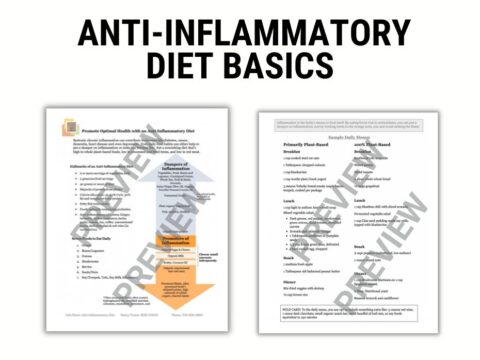
Foods high in fiber — like whole grains, legumes and non-starchy vegetables — have the same effect. All because you are giving your body what it needs to adequately recover and adapt. The following sample menu isn’t one-size-fits-all, but it does offer some creative ideas for adding anti-inflammatory foods to your meals. If you’re managing a certain disease, such as diabetes, you may have dietary needs that this meal plan doesn’t address.
Carpe Diem Nutrition Blog
But regardless of why it works, the diet is still a balanced and healthy one, she adds. I created a free Athlete Fueling Checklist to help parents and athletes identify common fueling mistakes and understand what to fix next. Inflammation, a vital part of healing, is your natural biological response to a wide range of triggers. As a dietitian, it still comes as a surprise when my clients tell me that they have a sweet tooth, almost as a confession of guilt. Sometimes my clients share this, with their heads hung low and eyes down to the…
The most well known of these extreme events is the ironman triathlon incorporating a 4-km swim, 180-km bike and a full 42-km marathon (Knez et al. 2007; Turner et al. 2011). These athletes had relatively higher concentrations of erythrocyte antioxidant enzymes at rest but reductions in these enzymes post-race indicating a depletion of antioxidant defence mechanisms. Markers of oxidative stress may remain elevated for several days after a prolonged bout of physical exercise.
- Although no performance benefit was demonstrated in the players, this could imply a possible recovery benefit.
- The risk of upper respiratory tract illness is thought to be highest during periods of overreaching or overtraining and around competition.
- It’s no secret that alcohol is a toxin, and excess consumption can be pro-inflammatory, particularly regarding your liver health.
- You can also lower your inflammation by filling your diet with anti-inflammatory foods.
- This drink is chock full of antioxidants and helps decrease damage to the mitochondria.
- Foods high in fiber — like whole grains, legumes and non-starchy vegetables — have the same effect.
Athlete’s Secret Weapon? Benefits of an Anti-Inflammatory Diet
Increasingly, studies suggest that people who follow anti-inflammatory diets tend to do better over time when it comes to avoiding or managing chronic illnesses. Research suggests eating anti-inflammatory foods may help lower heart disease risk, better manage the symptoms of rheumatoid arthritis, and overall reduce early death. Legumes, like chickpeas, lentils, kidney beans, black beans, peas, pinto beans, and soybeans, seem to be the thing that a lot of the athletes I work with are missing out on. Could you challenge yourself to include even half a cup of these powerful little peas every day? Not only are they great sources of carbohydrates, fiber, and protein essential to your sports diet, but their inclusion may also help to decrease inflammation. Endurance athletes, such as those competing in the individual sport of running, cycling, swimming and triathlon, undertake many hours of aerobic exercise training each week.
Challenge yourself to include at least one serving in your salads, or as a steamed or roasted side veggie with any meal. Adding at least one serving of berries to your sports diet is a great (and fun) goal to implement. I love adding raspberries, blackberries, blueberries, or strawberries to my training meals and snacks.
Benefits of Anti-Inflammatory Foods for Athletes

Choosing meals and snacks that combine complex carbohydrates with adequate protein and healthy fats helps to stabilize blood sugar and reduce inflammation. However, there may be times when fueling up with easily-digested carbohydrates prior to training or competitions may be more ideal for performance. For more information, see my post on 6 Best Pre-Workout Snack Bars for Athletes.
What to Eat Before a Long Run
But for a quick intro to inflammation and specifically how food plays into it, check out this page from the Academy of Nutrition and Dietetics. It includes five steps to making your plate less inflammatory and offers lifestyle tips for fighting chronic inflammation as well. The problem is likely tied to inflammation, but the good news is that the foods you eat can be part of the solution.
Gram Protein Breakfast to Power your Day (with 12 examples)
Increasing the intake of whole foods rich in antioxidants may be beneficial due to the synergistic effect of multiple nutrients consumed in combination. It is also possible that other, as yet unidentified, compounds present in fruit and vegetables may contribute to the beneficial effects of antioxidant-rich foods on airway inflammation. The impact of training at altitude warrants special consideration, as altitude exposure can increase the production of oxidative stress independent of the intensity or volume of exercise undertaken (Bakonyi and Radak 2004; Pialoux et al. 2009a,b).